The manure pile was turned yesterday. By this morning, the smell is back—and another load is on its way from the livestock houses. For a farm manager, that pattern is frustrating because the team has already spent time moving the material. Yet turning an open pile does not give the farm lasting control over its moisture, air supply or the gases released as it decomposes.
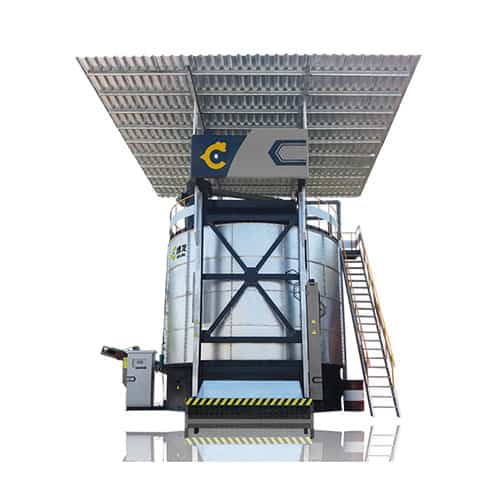
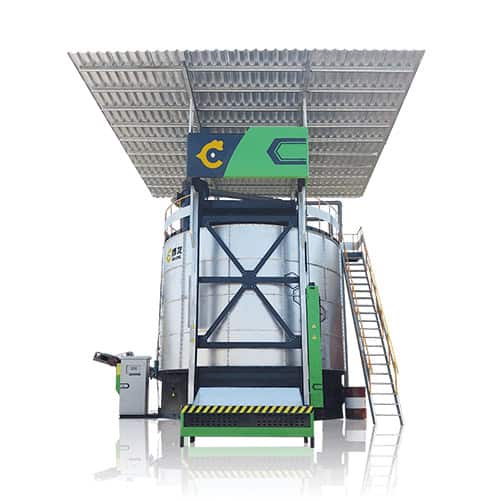
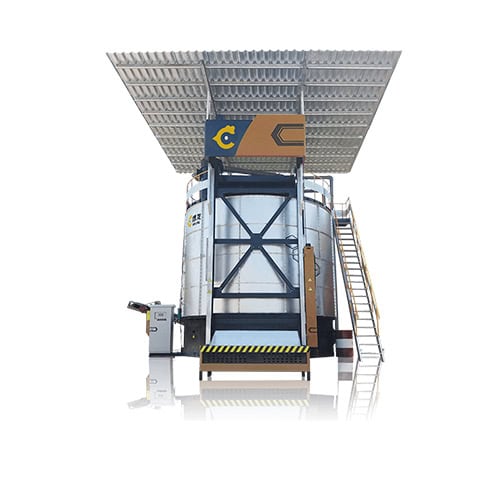
A manure fermentation tank changes where and how that decomposition happens. Bolong enclosed manure fermentation tank mixes and aerates prepared manure inside a vessel, while a configured deodorization system treats air leaving the tank. See how Bolong can help you put persistent farm odor behind you.
A manure pile is rarely uniform. Material near the surface is exposed to air and weather; material deeper inside can be wetter and more compacted. When new manure is added, its condition may differ from what is already there. Turning moves these layers, but the pile begins changing again as it settles.
Rain, cleaning water and inconsistent collection schedules make the problem harder to manage. A wet section can become difficult to aerate. A delayed load may remain beside the houses longer than planned. When staff disturb the pile to make room for more manure, odor that was concentrated in one area can spread across the yard.
The issue for a working farm is the repeated period of waiting between manure collection and controlled treatment. Reducing that wait requires more than a faster turning schedule. The farm needs a receiving area, a way to check incoming material and equipment that can accept prepared manure at a dependable daily rate.
Bolong’s equipment uses a vertical, enclosed vessel for high temperature aerobic fermentation. Inside it, mixing moves the material and forced ventilation supplies air for microbial activity. Temperature monitoring helps operators follow the process and identify changes that need attention.
The design of the mixing system matters because manure does not arrive as a perfectly even material. Bolong’s diamond-shaped stirring wings are designed with an inclined arrangement to reduce resistance as they move through the load. Their ventilation openings help distribute air through the material during mixing. In practical terms, these details aim to prevent dense sections from being left without enough movement or air.
Mixing and ventilation work together: moving manure without supplying air, or supplying air without distributing the material, makes the process harder to keep even. This is the operating problem behind the components.
Bolong’s manure fermentation tank is also insulated and controlled, so staff do not need to turn an exposed fermentation pile across the yard. The tank can be installed outdoors or beneath a shelter; its vessel provides the fermentation environment.
Aerobic fermentation can release ammonia and other odor-bearing gases. Enclosing the process gives that air a defined route. With the specified exhaust treatment equipment, gas leaving the vessel is directed through a deodorization module instead of dispersing freely from the fermenting material.
Bolong can equip the tank with a deodorization system according to the farm’s odor-control needs. The enclosed vessel contains the fermentation process, while the added system treats air drawn from the tank. A heat exchange device is also available to recover some of the exhaust heat for reuse.
Bolong’s Vietnam layer farm project offers an example of a tank installed with a microbial deodorization system for a farm facing neighborhood complaints.
At first startup, manure needs approximately seven to ten days of fermentation before the initial discharge. Once the system reaches its normal operating rhythm, staff can add prepared material and discharge processed material each day. Daily discharge describes a continuing flow through the tank; it does not mean that manure loaded today is finished tomorrow.
For a farm currently extending an open pile every time a house is cleaned, this changes the work schedule. Collected manure has a planned destination. Operators check its condition, arrange feeding and monitor the equipment. Material that has already passed through the process can be removed from the discharge point to make room for the next day’s work.
A manure fermentation tank is most useful when that schedule fits the farm’s actual collection pattern. A site with several poultry houses may receive smaller loads throughout the day. Another may clear one house at a time and receive a much larger load on certain days. The chosen fixed model and feeding arrangement must be assessed against those peaks, not only an average daily figure.
Unsure which tank will keep up with your farm’s manure output? Bolong can help you choose a suitable model and plan the loading and discharge arrangement around your daily operations. Contact our team to discuss a practical setup for your site.
1、Does a manure fermentation tank produce ammonia?
Ammonia can be released during the breakdown of nitrogen-rich manure. The enclosed vessel gives fermentation air a defined exhaust route, and the specified deodorization module treats that air before release. Ask Bolong to show the air route and the equipment included in your proposed configuration.
2、Will turning an existing manure pile more often solve recurring odor?
Turning can introduce air and move material, but an open pile remains exposed to incoming manure, rain and changing conditions. If the pile keeps growing between collection rounds, review how quickly manure can move from the houses into a controlled treatment process.
3、Can the tank receive manure immediately after collection?
That depends on the condition of the incoming material, particularly its moisture and consistency. The farm should check representative material and confirm preparation requirements for the selected equipment. This allows a realistic daily feeding plan to be designed before installation.