From November 10 to 13, Bolong took part in EuroTier 2026 in Hanover, Germany. At Booth 17C45 in Hall 17, our team welcomed visitors who wanted to learn more about our livestock equipment. One concern came up repeatedly in our conversations: how can a farm handle manure effectively as it continues to arrive?
It is a practical question. Manure has to leave the animal houses whether a storage area is nearly full, the next collection vehicle is delayed or the farm is preparing for another production cycle. Visitors were interested in what happens after that first step—and whether treatment could become part of the farm’s regular work.

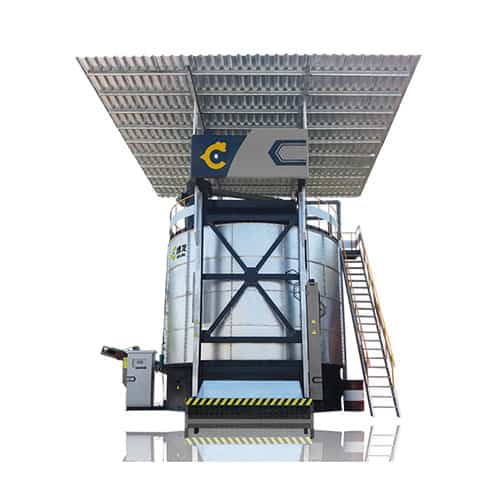
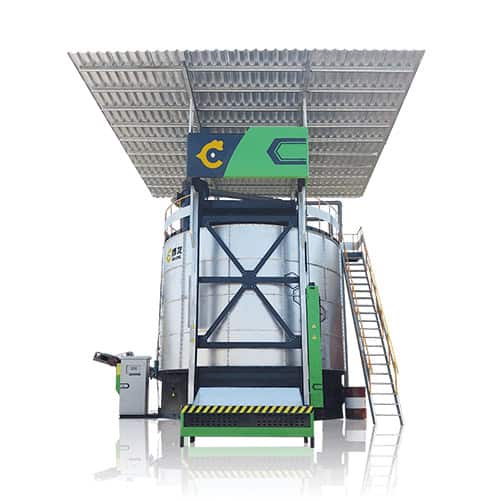
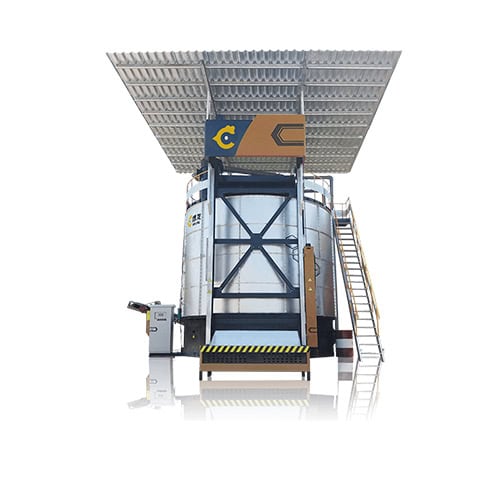
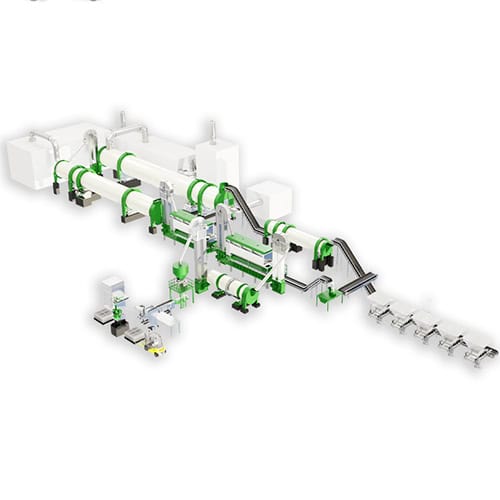
At the booth, Bolong’s team introduced its enclosed high temperature aerobic fermentation tank by following the path of the material. Prepared manure enters the tank through the loading system. Mixing and ventilation support fermentation inside the vessel. Processed solid material then leaves through the discharge point for its planned next use.
This made the equipment easier to discuss in terms of a working farm. The tank needs to connect with the way manure is collected, the space available for loading and the place where discharged material will be moved. Those details determine how an installation fits into daily operations.
Our team also explained an operating point that matters to customers planning their first use: the initial load needs approximately seven to ten days before the first discharge. Once the system reaches its normal rhythm, prepared manure can be added and processed material discharged each day. Daily discharge means continuous operation; it does not mean today’s fresh manure is finished tomorrow.
A conversation at an exhibition is a starting point. The next step is to relate the equipment to a particular farm: what kind of manure it produces, how material reaches the treatment area and where the solid output will go. Bolong can then discuss a suitable fixed tank model, the loading arrangement and whether an exhaust deodorization module is needed.
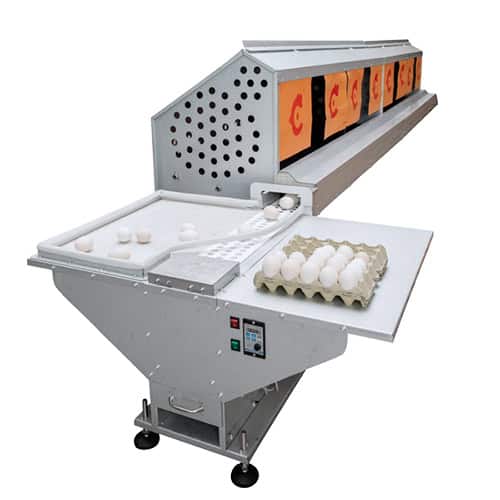
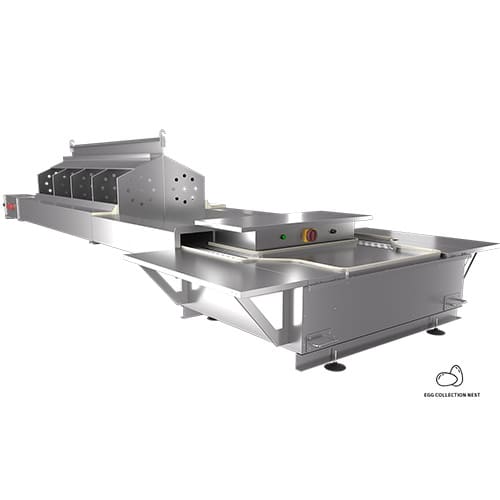
EuroTier also gave visitors an opportunity to learn about Bolong’s egg collection equipment. For this year’s conversations, however, the strong interest in manure treatment reaffirmed the importance of showing customers the complete route from collection to discharge, not simply a photograph of the tank.
Thank you to everyone who visited Bolong in Hanover and shared their questions with our team. The exhibition has ended, but those discussions continue. If manure treatment is a challenge at your farm, contact Bolong for relevant equipment information, a running video and a proposed treatment route for your site.