Livestock and poultry operations worldwide are generating manure faster than traditional disposal methods can handle it. In China alone, the sector produces an estimated 3.8 billion tonnes of manure annually, with a comprehensive resource-utilization rate of 79.4% as of 2023 – meaning over 20% of national output still falls short of treatment targets, and the policy roadmap (80% utilization by 2025, 90% by 2035) means enforcement pressure on that gap will only increase.
For farm owners, that translates into three compounding risks: regulatory penalties under standards like GB 18596-2001, rising input costs from untreated waste sitting as pure overhead, and a forfeited revenue stream. This is exactly the gap a livestock and poultry manure fermentation tank is built to close.
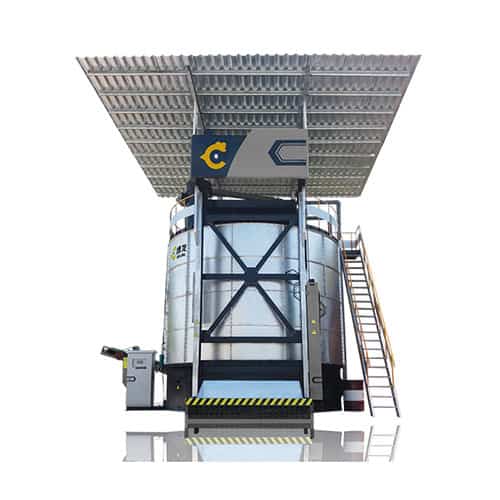
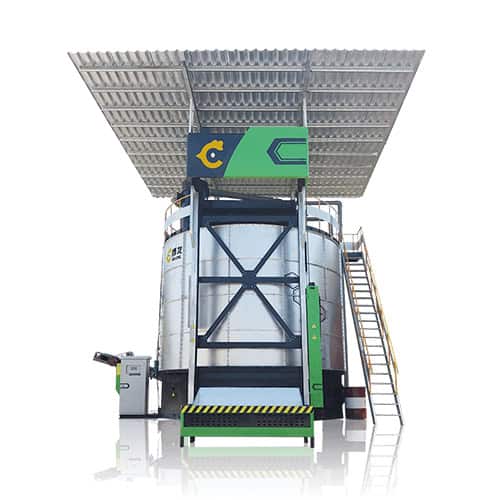
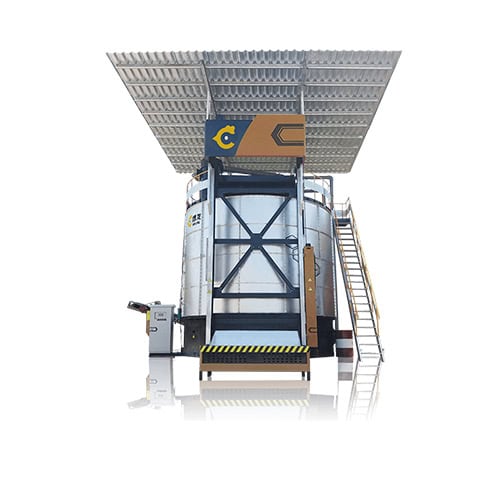
A fermentation tank—technically, a high-temperature aerobic fermentation (HTAF) system—is a sealed vertical vessel that converts raw manure into stable, pathogen-free organic fertilizer in about 7 days, compared with 30-60 days for open windrow composting. Fresh manure is blended with a bulking agent (rice hulls, wheat straw, or wood shavings), and continuous forced aeration lets naturally occurring bacteria drive the internal temperature past 55°C – hot enough to inactivate Salmonella, E. coli, and weed seeds – before the material cools and matures into finished fertilizer.


The sealed design is what makes the difference: it cuts required land by up to 70% compared with open pads and eliminates the leachate runoff and vector attraction (flies, rodents) that make windrow composting difficult to permit near residential or waterway-adjacent sites.
Manure handling typically consumes 8%-15% of total operating costs on a large-scale pig farm. Left untreated, that’s pure overhead. Processed through fermentation, the same material becomes a sellable asset – China’s organic fertilizer market was valued at roughly USD 3.5 billion in 2025 and is projected to reach USD 5.7 billion by 2030, with manure-derived fertilizer already accounting for about 52% of that market. Most farms recover their capital investment within 18-36 months.
Henan Bolong Livestock Machinery Co., Ltd. has manufactured livestock waste-processing equipment since 1993. Our fermentation tank line runs on a 304 stainless-steel inner liner (resisting the corrosive volatile fatty acids that pit standard steel within 2-3 years) and high-density polyurethane insulation rated for continuous operation from -30°C to 55°C ambient – validated across deployments in Russia, Vietnam, Malaysia, and Spain. Today, 2,200+ Bolong units are in daily operation across more than 120 countries, backed by a 10-year main-shaft warranty and a 24/7 support hotline.
1. Does fermentation actually kill pathogens?
Yes. Sustaining 55°C-65°C for a minimum of 72 consecutive hours fully inactivates Salmonella spp., E. coli, and Ascaris eggs—a threshold open windrow piles often fail to reach consistently due to cold spots.
2. Can the finished output be sold as fertilizer?
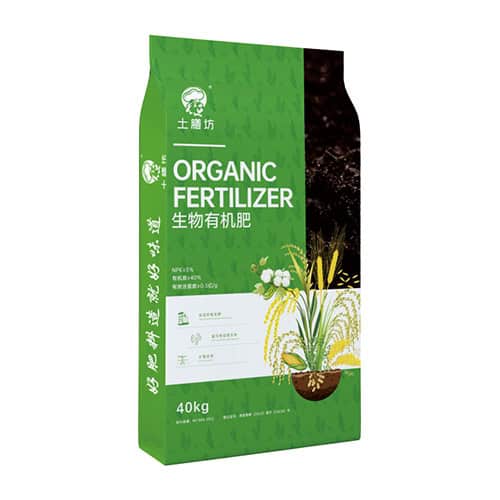
Yes, provided it meets China’s NY/T 525-2021 standard (organic matter ≥45%, total NPK ≥5%, moisture ≤30%). A properly run 7-day HTAF cycle routinely clears this bar because the enclosed process limits the nitrogen loss that degrades slower, open-air methods.
3. How much space does a tank need?
Just 60-120 m², depending on capacity—a fraction of what open composting or biogas digestion requires.
Want a configuration matched to your farm’s daily manure output? [Contact Bolong’s engineering team] for a technical datasheet and quote.