Manila will host a major event for the Southeast Asian livestock industry in June 2026: Livestock Philippines 2026. With more than 300 exhibitors and over 11,000 professional visitors expected to attend, the event will cover the entire industry chain, including livestock, aquaculture, feed and animal health.
For many companies, this is not just a trade show, but a vital opportunity to gain insight into the future direction of the livestock industry in the Philippines and across Southeast Asia. With surging market demand and tightening environmental regulations, the industry is at a transformational crossroads. So, what are the most noteworthy changes to watch for this year? Bolong‘s in-depth analysis suggests that the following three major trends will redefine the Philippine livestock landscape, with advanced fermentation systems being key to addressing these challenges.

In recent years, the consumption of poultry meat and eggs in the Philippines has continued to rise, leading to a rapid increase in large-scale farming. However, this expansion is often accompanied by a shift in management priorities. The main issue for farms is no longer insufficient production capacity, but rather the delay in waste treatment capabilities.
Under traditional, extensive management practices, farms generally face severe environmental challenges and urgently need to adopt efficient organic fertiliser fermentation systems to address these issues.
Accumulation of chicken manure and odour from pig manure: Open-air storage leads to the spread of foul-smelling gases (such as hydrogen sulfide and ammonia), which have a severe impact on the surrounding environment and can even trigger complaints. Modern high-temperature aerobic fermentation systems can effectively prevent this.
Breeding of mosquitoes and flies and disease risks: The hot and humid climate accelerates the reproduction of pathogens and parasites, increasing the risk of disease transmission such as avian influenza.
Leachate pollution during the rainy season: Due to the Philippines’ long rainy season, basic composting sites are highly susceptible to leachate generation, which contaminates groundwater and nearby rivers, leading to serious environmental compliance risks.
Addressing environmental burdens while expanding production capacity is a critical challenge for Philippine livestock enterprises.
Historically, manure and wastewater were viewed purely as ‘cost centres’, with the sole objective of treatment being to comply with discharge standards. However, a new consensus is emerging in the Philippine market of 2026: waste is transforming into a ‘resource centre’.
An increasing number of aquaculture enterprises are realising that scientific organic fertiliser fermentation systems mitigate environmental risks and create new economic value.
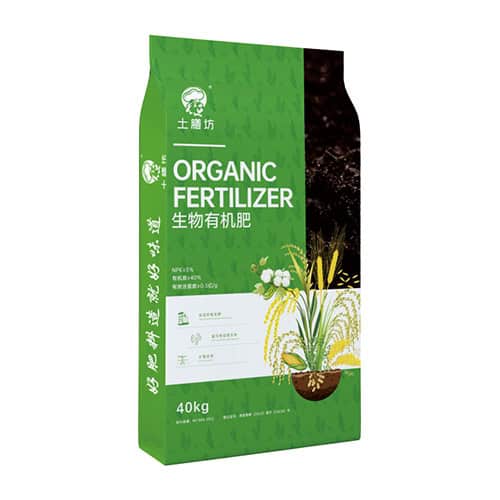
Organic Fertiliser Production: Utilising specialised organic fertilizer fermentation systems to convert livestock and poultry manure into high-quality organic fertiliser, which is supplied directly to a growing number of orchards, plantations and agricultural projects.
Soil improvement: Using fermented organic matter to improve soil structure, reduce the use of chemical fertilisers, and enhance the quality of agricultural products.
Circular agriculture model: We are establishing a green, closed-loop system of ‘livestock farming–fertiliser–cropping’ to achieve internal resource recycling.

The shift in mindset from ‘disposal’ to ‘utilization’ is a common concern across Southeast Asian countries, and selecting an efficient, automated fermentation system is key to achieving this transformation.
As labour costs in the Philippines increase year on year, traditional manual manure and wastewater treatment methods are becoming unsustainable.
Manual turning is labour-intensive and inefficient, natural fermentation cycles are long (typically two to three months) and highly weather-dependent, and the fermentation process is unstable, making it difficult to guarantee product quality.
To address these challenges, technologies such as automated control, remote monitoring, continuous operation and enclosed processing are becoming the preferred choice for large-scale farms.
Automated equipment, specifically high-temperature aerobic fermentation systems, not only significantly reduces labour costs, but also ensures the standardisation and stability of the fermentation process. This makes it an essential step towards achieving large-scale, industrialised farming.
As the Philippines’ most influential comprehensive livestock exhibition, Livestock Philippines 2026 covers multiple sectors, including livestock, poultry, feed, animal health and aquaculture. This year’s exhibition theme highlights the importance of striking a balance between ‘efficiency’ and ‘sustainability’.
A growing number of exhibitors and trade visitors are considering how technological innovation can address the following challenges:
How can farming efficiency be improved without increasing environmental pressure?
How can manure be effectively reduced and recycled?
Waste-to-energy, environmental compliance and livestock automation are set to be the most popular topics of discussion at this year’s exhibition.
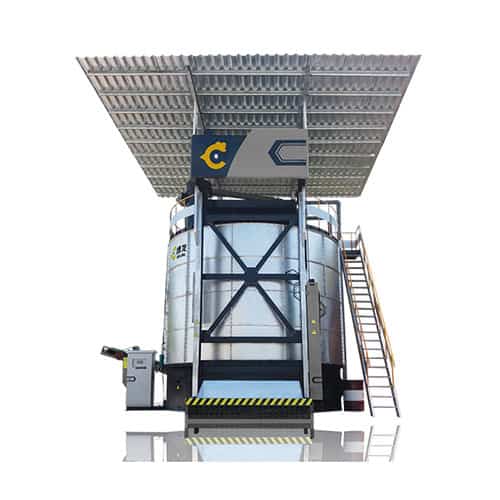
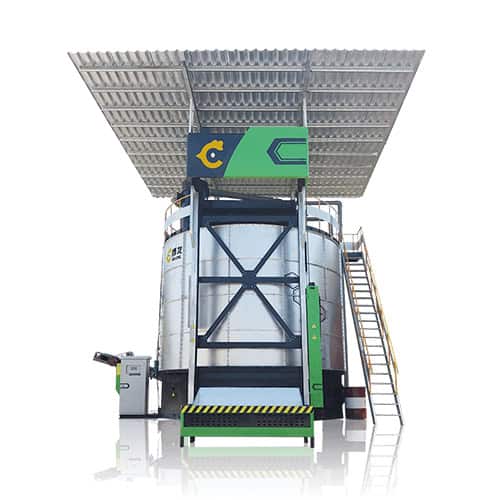
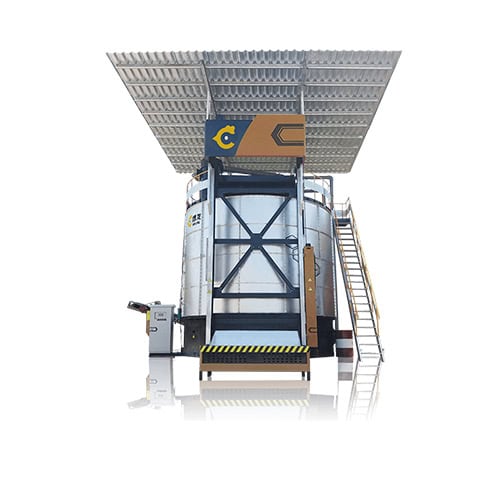
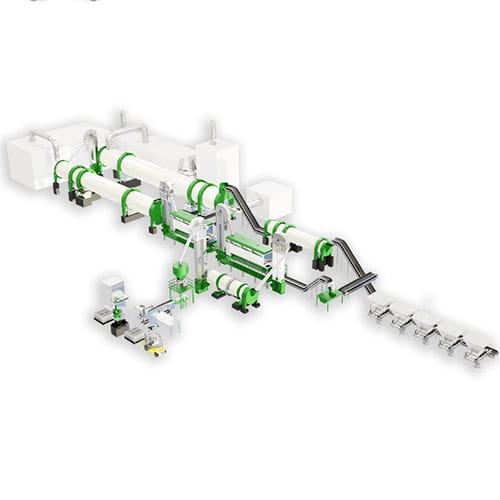
Drawing on its in-depth knowledge of industry trends, Bolong will unveil its tried-and-tested high temperature aerobic fermentation system at the exhibition, providing practical solutions for customers in the Philippines and Southeast Asia.
Designed to address the processing needs of various types of organic waste, including chicken manure, pig manure and cattle manure, the system will highlight the following core benefits:
Sealed operation design: Effectively prevents the escape of malodorous gases, resolving odor nuisance issues.
Automated aeration and mixing: A PLC intelligent control system adjusts oxygen levels and mixing frequency in real time to ensure the fermentation environment remains in optimal condition at all times.
High-efficiency, harmless treatment: High-temperature aerobic fermentation at 55–75°C rapidly eliminates pathogens and insect eggs within 7–10 days, producing stable, high-quality organic fertiliser.
Wide applicability: This system is suitable not only for centralised treatment on large-scale farms, but also for waste management projects involving municipal sludge and food waste.
We hope this system will help our clients transform ‘environmental costs’ into ‘profit growth opportunities’, achieving sustainable development in green livestock farming.
Let’s gather in Manila in June 2026. Bolong looks forward to meeting livestock enterprises, distributors, project investors and organic fertiliser manufacturers from the Philippines and Southeast Asia in person.
If you are seeking environmentally compliant solutions or looking to explore new revenue streams, Bolong will be your trusted partner.
Exhibition Name: Livestock Philippines 2026
Dates: June 24-26, 2026
Venue: World Trade Center Metro Manila, Philippines
Booth No.: D16

We welcome you to visit the Bolong booth. Let’s work together to open a new green chapter for the Philippine livestock industry!