Many farmers struggle with fermenting chicken manure. They encounter long processing cycles, unpleasant odours, incomplete maturation, burnt roots and even environmental penalties. These issues are not only frustrating, but costly too. The good news? These problems almost always stem from five avoidable mistakes. In this guide, we’ll break down each mistake, explain why it happens and demonstrate how to easily resolve it.
Let’s take a closer look at these five key mistakes and show you how to solve them using the right tools, such as a large scale composting machine.
If there is too much nitrogen in chicken poop, ammonia will go away. This makes a strong, bad smell and slows down the fermentation process. This means that fermentation takes longer and the process as a whole is less efficient.
On the other hand, if there is too much carbon, the temperature goes down too low. This means that the fermentation process is not complete, and the manure never fully breaks down and matures. This makes the composting process not work well.
To get the right C/N ratio, add things like straw, sawdust, or rice hulls that are high in carbon. These materials help to balance the nitrogen in chicken manure, which is important for the best fermentation.
Microbial activity slows down or stops completely if the moisture content is too low. The fermentation process stops when there isn’t enough moisture for the good bacteria that break down the manure to grow.
On the other hand, too much moisture can cause anaerobic conditions, which means that the manure ferments without enough oxygen. This makes bad smells, helps harmful bacteria grow, and makes manure that isn’t fermented well and smells bad.
The best moisture level for fermenting chicken manure is between 50% and 60%. This makes it possible for microbes to work properly without making the environment anaerobic.
The squeeze test is a quick and easy way to see how much moisture is in something. If you take a handful of manure and squeeze it, and water comes out, it is too wet. Add water if it falls apart or feels too dry. The best consistency is like that of a sponge that has been wrung out.
Anaerobic fermentation happens when there isn’t enough oxygen for the microbes. This makes the process slow and stinky. Harmful bacteria can grow and make bad smells without oxygen, which attracts flies and makes the fermentation process even harder.
The main reason for anaerobic fermentation is not enough air flow. Microbes that help break down manure don’t get enough oxygen if it isn’t turned or aerated on a regular basis.
To keep the manure from going bad, you should turn it over often so that air can get to it. Another option is to use a forced aeration system in a large scale composting machine. This will move oxygen around well, which will stop bad smells and speed up the breakdown of materials.
High temperatures during fermentation are important for getting rid of any pathogens, parasites, or antibiotics that might be in chicken manure. If the right temperature isn’t kept, these harmful substances stay in the manure and can get into your crops, which could be bad for your health.
If the fermentation process doesn’t reach the right temperature, the manure might not be safe to use. This could cause crop disease and the making of unsafe fertilizers.
For at least three days, the temperature must stay between 60°C and 75°C to make sure that the waste breaks down and is safe to use. This high-temperature stage makes sure that the manure is completely composted and safe to use.
If you use manure that isn’t fully fermented or is only partially fermented, it can cause secondary fermentation in the soil. This makes heat and smell, which can hurt plant roots and slow down growth.
Manure that hasn’t fully fermented will be warm to the touch, smell bad, and not break apart easily. These are signs that the fermentation process isn’t done yet.
Before putting manure on your soil, make sure the temperature has stabilized and the manure is fully mature. The stuff should be dark brown and crumbly. Letting it fully mature makes sure that your fertilizer is safe and works.

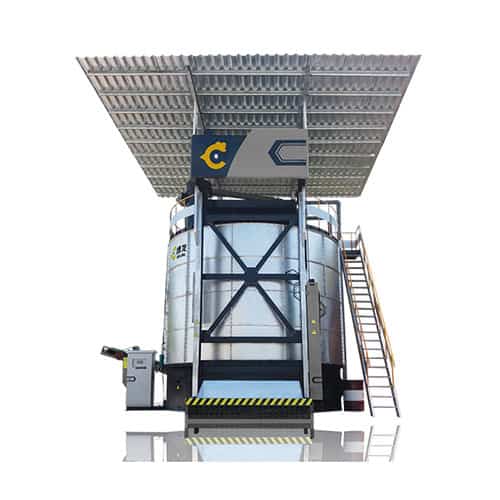
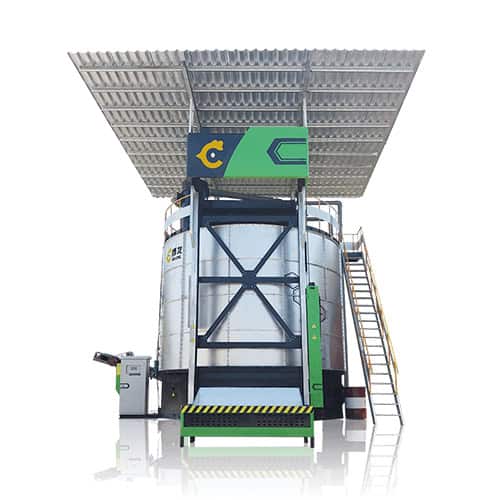
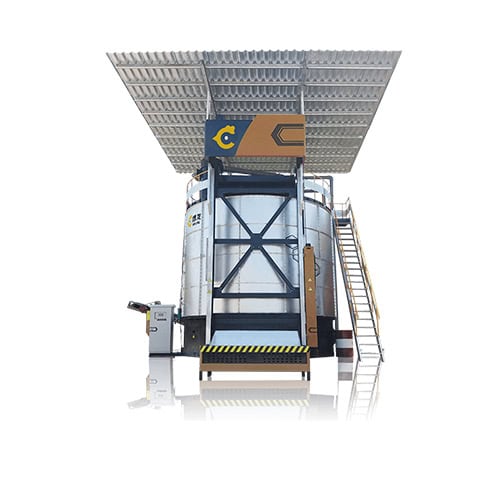
Use Bolong chicken manure composting machines to avoid the five most common fermentation mistakes. Here’s how our system helps to solve each issue:
C/N ratio mixing guidance: Before placing the materials into the fermentation tank, our technical staff will help you adjust the carbon-to-nitrogen ratio of the animal manure properly to ensure optimal fermentation conditions.
Precise moisture control: This ensures moisture levels are consistently within the ideal range for effective microbial activity.
Automatic aeration and stirring: This provides a continuous supply of oxygen to maintain aerobic conditions and prevent unpleasant odours.
Stable High-Temperature System: Maintains the optimal temperature range (60-75°C) for reducing pathogens.
Full Maturity Monitoring: Monitors temperature, moisture and consistency to ensure the manure is fully fermented before use.
By using the Bolong chicken manure composting machine, you can reduce the typical errors that cause delays, waste time, and lower the quality of the final product. Our large scale composting machine is an excellent option for larger operations because it offers effective, high-capacity processing.
You can produce a safe, high-quality fertilizer for your crops while saving time and labor by avoiding these five mistakes.
Get in touch with us right now to talk about your personalized chicken manure treatment plan! Our knowledgeable staff will assist you in selecting the ideal model for your farm and guarantee that you achieve efficient, high-quality manure composting with our large scale composting machine.