Industry Structural Change by 2026
Why Small & Medium Farms Are Exiting
New Weapon: Manure Composting Machines
How Bolong Helps Farms Upgrade
Adapt to Change & Enhance Competitiveness
The livestock industry will be going through a very important stage of structural change by 2026. Data shows that the rate of industrial-scale farming is likely to be more than 75%, and the market concentration among the biggest companies is likely to keep going up. At the same time, small and medium-sized farmers and individual operators are leaving the market at a much faster rate.
The industry is getting more and more divided. Old-fashioned models are slowly going away, while farms that are big enough to be called “industrial” are always getting bigger.
Why is the gap getting bigger so quickly? The main reasons are two things: following environmental rules and being able to use resources well.
Against this backdrop, achieving stable operations through more efficient manure treatment has become a critical issue for farms. This is especially important for farms that are currently expanding, as selecting the right manure composting machine is a key decision for large-scale farms.
As rules and regulations get stricter, good manure management has become necessary for the long-term health of livestock farming. When using traditional composting methods, problems like smell spreading, needing a lot of land, and fermentation that isn’t stable often happen. These problems can cause complaints or pressure for action to be taken while the business is running.
The cost structure of the livestock industry is also changing. On the one hand, labour costs are continuing to rise, while on the other, traditional manure management methods are struggling to generate additional revenue.
Under this model, manure treatment has long been considered an ‘expense item’, which puts sustained pressure on overall profitability.
Large companies have slowly moved to automation and standardization, using economies of scale to cut costs and make things run more smoothly. On the other hand, farms that haven’t upgraded are slowly losing ground in the market.
From the point of view of industry growth, the ability to use systematic treatment, especially on manure composting machines for large farms, is becoming a key factor in long-term competitiveness.
At this time, the overall use of livestock manure is quite high, and the industry is moving from “waste disposal” to “resource utilization.” Manure can be turned into organic fertilizer for farming or sale by using manure composting machines.
This change means that treating manure is no longer just a cost; it also has a lot of practical value.
Manure composting machines for large scale farms are showing a lot of benefits in real life.
Compliance: They help you follow environmental rules and lower the risks of running a business.
Efficiency: It speeds up processing times and increases throughput.
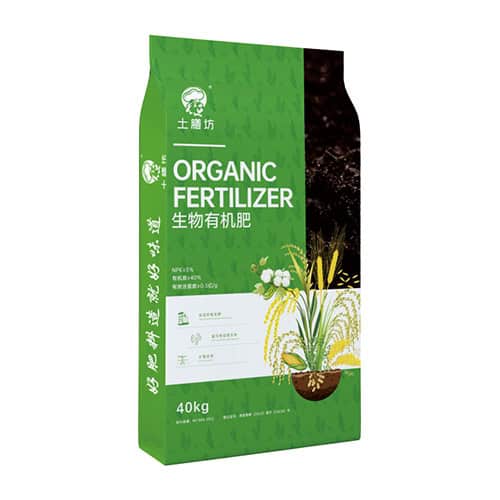
Application: It is the basis for making organic fertilizer.
This kind of equipment is also slowly becoming one of the most important tools for making organic poultry manure.

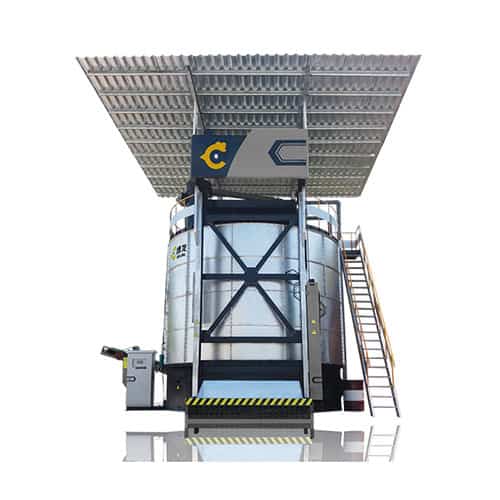
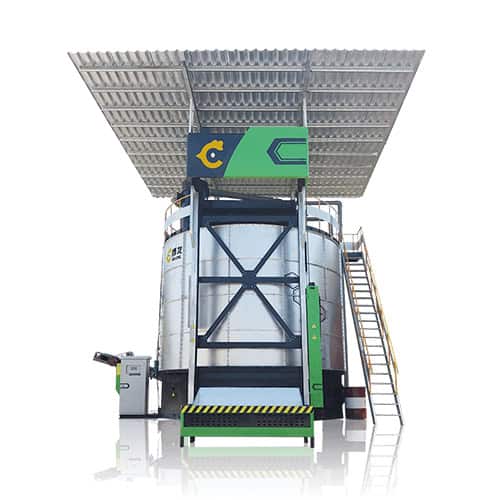
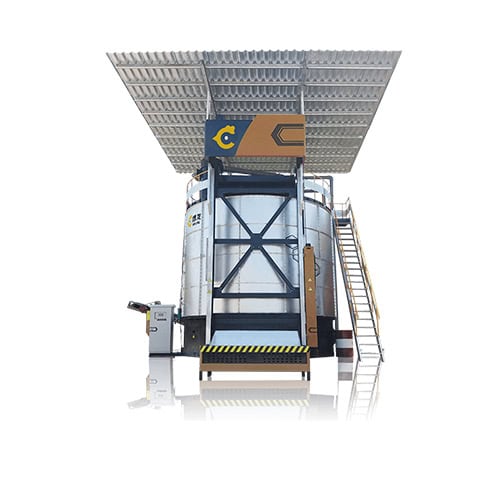
The Bolong manure composting machine can be set up in different ways depending on how much manure it can handle. This makes it great for medium to large farms that need to treat manure all the time. The vertical structure takes up about 50 to 100 square meters (depending on the model), which helps make better use of the land.
The treatment cycle can be controlled within 7-10 days using a high-temperature aerobic fermentation process with stable oxygen supply and agitation. This is a better fit for the way large-scale farming operations get rid of waste than traditional composting, which takes 60 to 90 days.
The equipment has a control system that keeps an eye on and adjusts the temperature and operational status. This reduces the need for manual tasks like turning the compost pile, which makes management more stable and organized.
The Bolong manure composting machine has a sealed structure and a multi-stage deodorization system that works to treat fermentation exhaust gases in one place. This helps to keep odors from spreading and makes the farming environment better.
As farming on a large scale gets better, so do the ways of dealing with manure. The move from traditional disposal to resource recovery is a big change in the industry.
Farms can make their operations more efficient by using a manure composting machine that is better suited to their size.
Click here to get in touch with us today if you want to find the best manure composting machine.