With the launch of the 15th Five-Year Plan, agricultural and livestock waste management has entered a new phase. This shift from traditional end-of-pipe treatment to systematic governance not only presents innovation opportunities for domestic enterprises but also injects new momentum into the global green transformation of agriculture and animal husbandry through the export of technical standards and the establishment of cross-border cooperation networks.
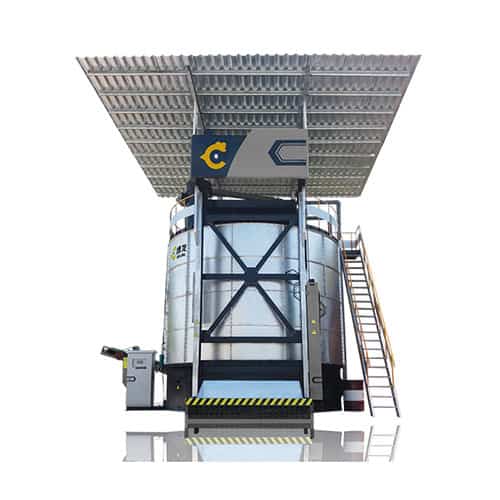
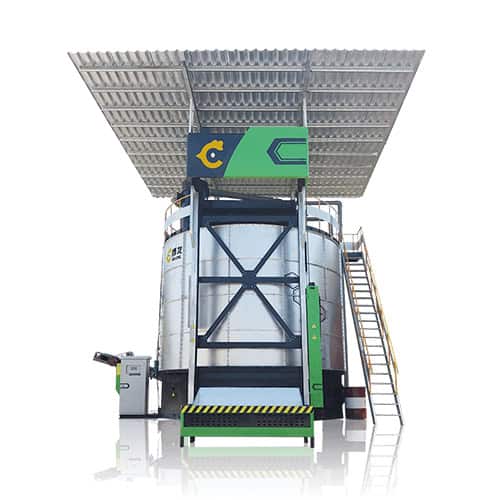
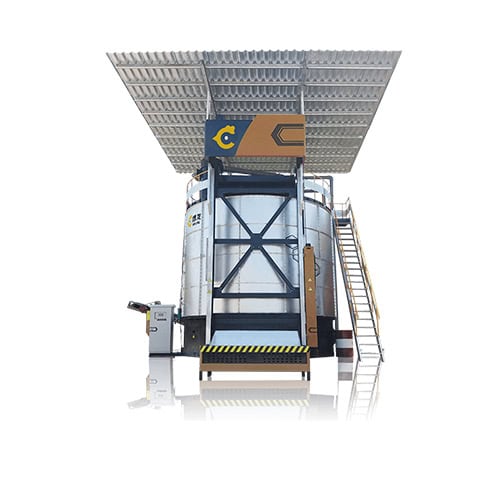
This article explores current trends and innovations in agricultural and livestock waste management, highlighting how Bolong fermentation tanks play a pivotal role in this industry transformation.

Bolong is a high-tech enterprise specializing in automated livestock equipment and poultry waste treatment systems. With years of expertise in high-temperature aerobic fermentation, Bolong has independently developed multiple proprietary technologies and secured numerous patents.
Building on mature domestic industrial practices and leveraging technological upgrades and standardization during the 14th Five-Year Plan period, the company actively expands into agriculture- and livestock-intensive markets across Southeast Asia, Latin America, and Africa, delivering end-to-end solutions.
Guided by its mission of “Bolong Support, Hassle-Free Operation,” Bolong empowers global clients to transform agricultural and livestock waste into valuable resources, establishing industry benchmarks in green agriculture and circular economy.
Over the past five years, China has made significant strides in agricultural and livestock waste management:
Livestock Manure Management: All 585 major livestock counties nationwide have achieved full coverage of livestock manure resource utilization projects, with significantly enhanced manure treatment capacity at large-scale farms.
Steady Improvement in Utilization Efficiency: By 2024, the comprehensive utilization rate of livestock manure nationwide reached 79.4%, a 4-percentage-point increase from 2020.
Technological Breakthroughs: Innovative models such as aerobic fermentation and mechanical deep application have been explored across regions, effectively reducing treatment costs and enhancing the quality of end products.
These accomplishments set the stage for future progress, with fermentation technology emerging as a key innovation that is essential for turning waste into valuable resources.
Despite significant progress, waste management still faces substantial challenges:
Inadequate Infrastructure: Many farms lack effective waste treatment facilities.
Low Resource Utilization Efficiency: Waste recycling efficiency remains suboptimal, with low effective utilization rates for fertilizers.
Weak Market System: The market for waste products is not yet fully mature, and high-end utilization of bio-resources is still developing.
Bolong fermentation tanks are a useful way to deal with these problems. Our fermentation tanks not only process livestock manure quickly, but they also help farms meet global sustainability standards and make better use of their resources.
During the 15th Five-Year Plan period, key priorities for agricultural waste management will include:
Comprehensive Utilization of Livestock Manure: By 2030, the comprehensive utilization rate of livestock manure is projected to exceed 85%. Enterprises must adopt more efficient systems to meet this target.
Technological Innovation: The industry will explore multidimensional waste resource utilization technologies, such as converting waste into high-value products like energy and fertilizers.
Market Expansion: With increasing demand for organic fertilizers and eco-friendly products, enterprises require more efficient fermentation technologies to meet market needs.
High-temperature aerobic fermentation tanks serve as a crucial technological foundation for realizing this vision. They not only help enterprises address current challenges but also become a vital vehicle for advancing global agriculture toward green development.

Digital transformation is accelerating the shift toward intelligent waste management. Our high-temperature aerobic fermentation tanks are equipped with advanced intelligent systems that monitor waste treatment processes in real time, enhancing efficiency and reducing operational costs. Key technologies include:
Intelligent Monitoring System: Real-time tracking of critical fermentation parameters-temperature, oxygen levels, moisture content-provides farms with precise data to optimize waste processing workflows.
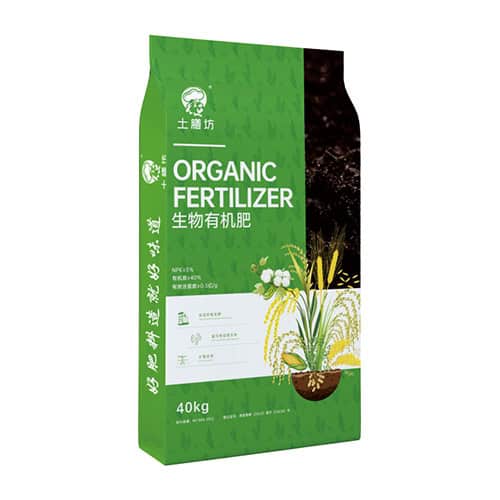
Organic Fertilizer Production: Our tanks are engineered to convert animal manure and other waste into organic fertilizers, ensuring efficient transformation into valuable soil amendments that boost agricultural productivity.
Odor Control: Fermentation tanks incorporate deodorization systems to effectively minimize unpleasant odors during processing, maintaining a fresh environment within livestock facilities and improving both working and living conditions.
By adopting these technologies, farms can achieve dual improvements in environmental sustainability and economic benefits, securing a competitive edge in green agricultural development.
Entering the 15th Five-Year Plan period, managing agricultural and livestock waste is not only an environmental imperative but also an opportunity for economic value creation. Through its high-temperature aerobic fermentation tanks, Bolong helps farms convert waste into valuable resources like organic fertilizers, achieving a win-win of “ecological benefits + economic benefits.”
Seize opportunities in the global green agriculture movement with our high-temperature aerobic fermentation tanks. Click here to learn more.