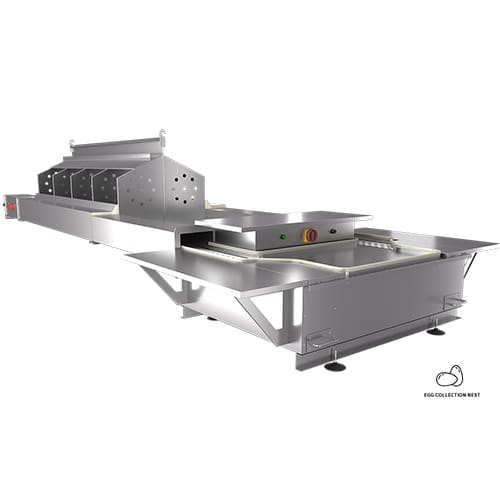
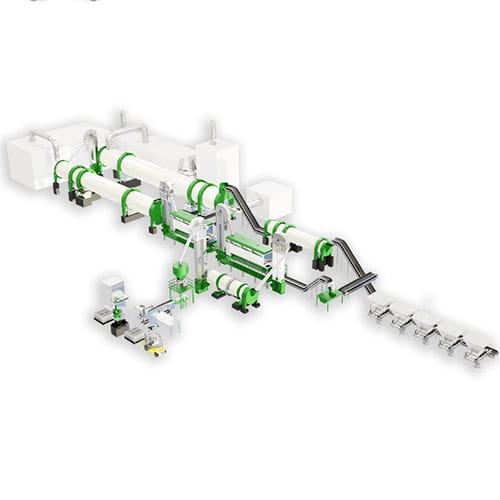
Many cattle farmers have grown accustomed to one thing: piling manure next to the barn, where it gets washed away by the rain.
This approach might have been passable when operations were small-scale, but as herd sizes grow, this “natural disposal” method begins to cause problems—local water sources become murky, mosquitoes and flies breed in large numbers, cattle disease rates rise, and complaints from neighbors become constant. More importantly, as standards for live cattle exports tighten and importing countries impose increasingly detailed requirements for compliance with farming environments, manure treatment capacity is becoming a hidden barrier.
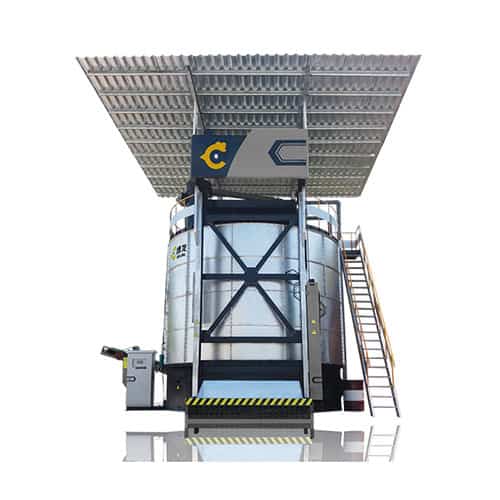
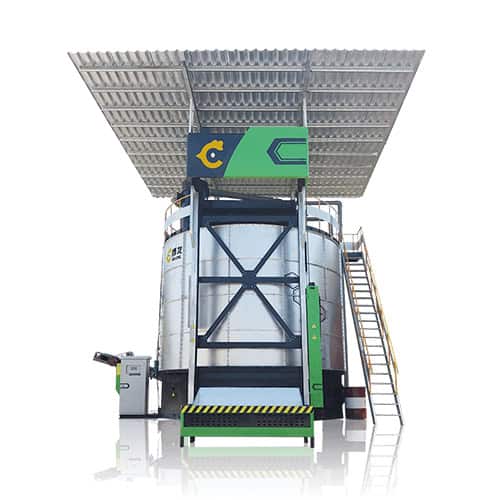
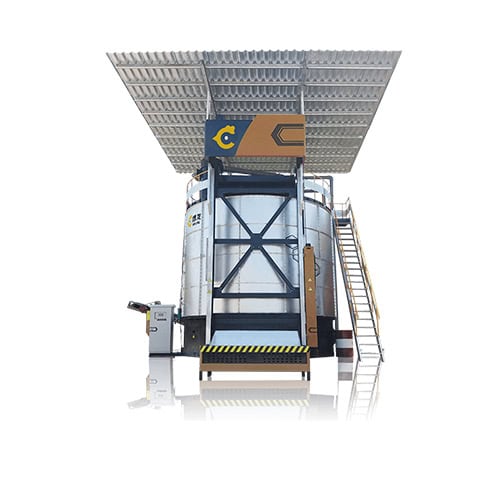
A suitable livestock manure fermentation tank can convert cow manure into organic fertilizer on-site within seven days, eliminating odors, reducing waste to zero, and even generating additional revenue. This article avoids theoretical concepts and focuses solely on practical issues: How exactly should cattle farms handle manure and wastewater?
Many people believe that the only problem with manure and wastewater is the unpleasant smell. In reality, however, the chain reaction caused by direct discharge is far more severe.
The risk of animal diseases is increasing. When manure accumulates over long periods, pathogens such as E. coli and Salmonella can multiply in the damp environment. Cattle living in environments with high ammonia-nitrogen concentrations long-term have significantly higher rates of respiratory and hoof diseases compared to cattle on farms with standardised management. Once an outbreak occurs, the losses will far exceed the cost of purchasing equipment.
Water pollution has substantial consequences. Nitrogen and phosphorus compounds in manure seep into the soil and enter groundwater, or are washed directly into nearby rivers during the rainy season. This affects not only the farm’s water supply, but also jeopardises the drinking water safety of downstream villages. In some regions, this has already led to disputes and administrative penalties.
Export eligibility is increasingly dependent on farming conditions, with stricter requirements for health certificates and quarantine records for live cattle exports. Farms with poor conditions and chaotic manure management will face greater obstacles during veterinary inspections and quarantine clearance. In other words, manure treatment is a critical link in the export chain, not merely a “nice-to-have”.
What is being wasted is real economic value. Cattle manure is a high-quality raw material for organic fertiliser. Fully composted cattle manure fertiliser is in demand in regions where cash crops such as coffee, rubber and bananas are grown.

The core principle of livestock manure fermentation tanks is as follows: within a fully enclosed container, controlled temperature (55–75°C high-temperature aerobic fermentation) and forced ventilation are used to rapidly decompose cow manure within 7 days, killing pathogens and insect eggs, and directly producing ready-to-use organic fertilizer.
Compared to traditional composting, several key differences stand out:
The fermentation process takes place inside a sealed tank. Odors are treated by a deodorization system before being released, so virtually no odor is detectable in the surrounding area. This is particularly important for farms located near residential areas or water sources.
Installation requires approximately 60–100 square meters of space. For farms with limited land resources, this is a substantial advantage.
One batch is completed in 7 days, producing fully matured organic fertilizer with relatively stable moisture and organic matter content, making it suitable for direct sale or on-site use.
The control system for livestock manure fermentation tanks is highly mature. Once temperature and time parameters are set, the system operates largely automatically. Daily maintenance can be performed by a single worker without requiring specialized technical expertise.
In addition to cattle manure, the same unit can process pig manure, chicken manure, and crop straw. For mixed-farming operations, this multi-purpose capability ensures high utilization rates.
The manure problem at cattle farms will not disappear on its own; in fact, it will only become more difficult to manage as herd sizes increase.
Investing in a livestock manure fermentation tank solves more than just odors and pollution; it lays the foundation for a farm’s long-term, stable operation—healthier herds, better health inspection records, cleaner water sources, and a new pathway to turning waste into revenue.
If you’re struggling with manure management, please contact us. Let us know your herd size and site conditions, and we’ll provide specific recommendations on equipment selection and a quote.
Q: Can the Bolong fermentation tank be used normally during the rainy season?
Yes. The livestock and poultry manure fermentation tank features a fully enclosed design and is not affected by outdoor weather conditions. We recommend installing it under a simple shelter to protect the equipment housing; the fermentation process itself is not disrupted by rainfall.
Q: Does the fermentation process require the addition of any microbial agents?
In most cases, cattle manure naturally contains sufficient microorganisms, so no additional microbial agents are needed. If processing manure with excessively high moisture content (such as slurry), it is recommended to first perform solid-liquid separation or add appropriate additives (such as dry straw) to adjust the moisture content before loading it into the tank.
Q: Can the resulting organic fertilizer be sold directly?
The product processed by the livestock manure fermentation tank is highly decomposed and free of pathogens, generally meeting organic fertilizer application standards. If you plan to sell it externally or export it, we recommend conducting a quality inspection and obtaining relevant certification from local agricultural authorities. Certified products typically command a 20–30% higher selling price.
Q: Is the equipment difficult to install, and how is maintenance handled?
Bolong provides remote technical support and training for the initial fermentation operation. Routine maintenance primarily involves cleaning the feed and discharge ports and periodically inspecting the heating elements; no professional maintenance personnel are required.