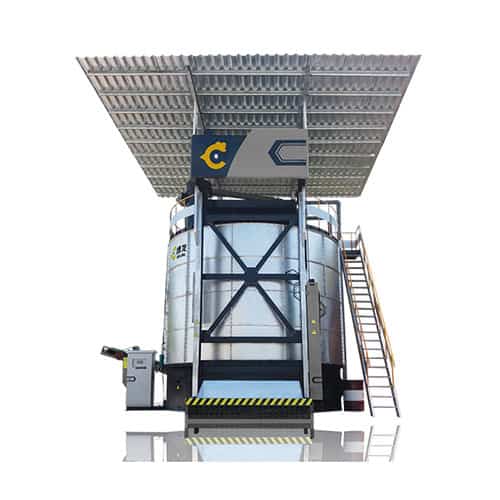
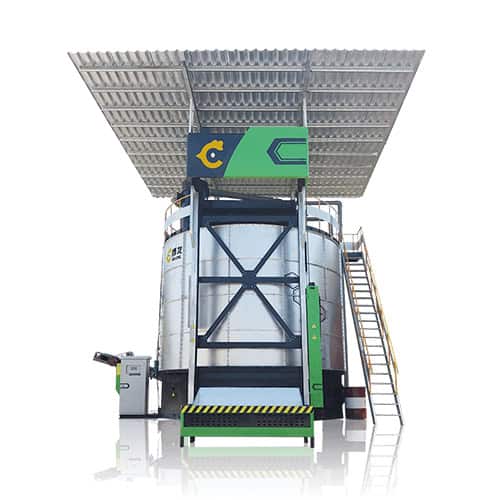
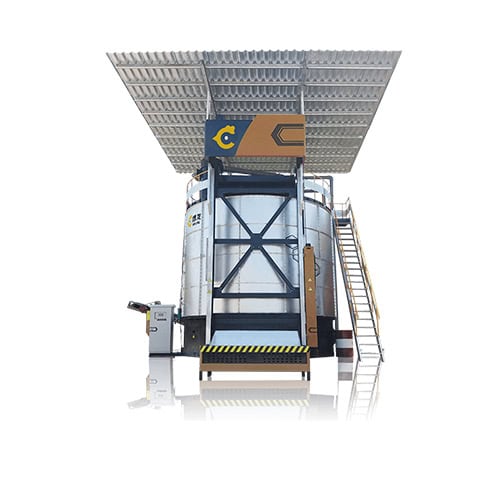
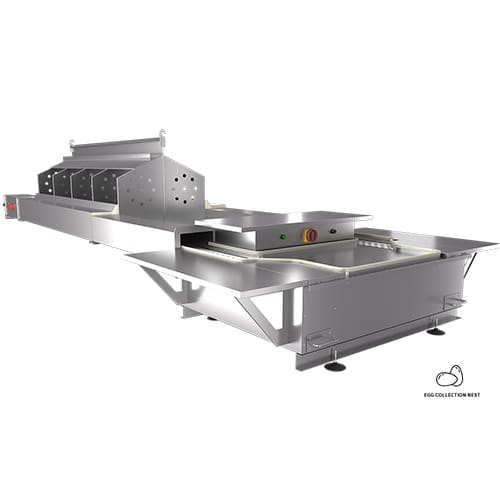
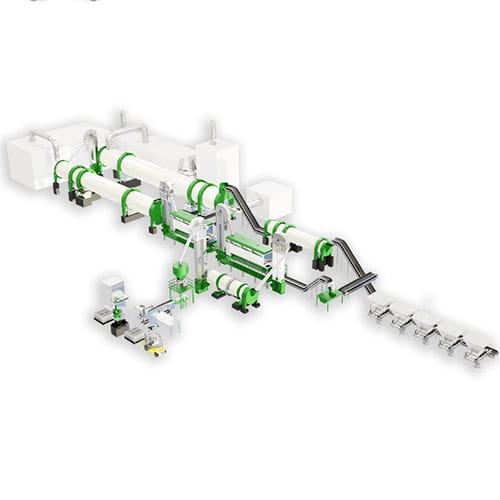
In large-scale farming operations, automated chicken manure composting systems form part of a continuous production system.
Regular maintenance and inspections are crucial to ensure long-term stable operation, reduce failure rates and extend equipment lifespan.
This article explains how scientific daily maintenance can increase the lifespan of your chicken manure composting system while reducing unnecessary downtime and maintenance costs.
Most farms focus solely on the initial installation and commissioning of chicken manure composting system, neglecting the long-term operational maintenance required. In reality, however, equipment maintenance directly affects processing efficiency and environmental compliance, as well as impacting lifespan.
Unable to maintain the fermentation temperature.
Gradual decline in deodorisation effectiveness.
Frequent equipment shutdowns are disrupting normal production.
Implementing scientific maintenance protocols can effectively resolve these issues and help farms to control their operational costs more effectively.
Inspect the agitation system: Ensure that hydraulic or motor-driven systems operate smoothly without making any abnormal noises. Ensure uniform material mixing to guarantee balanced temperature and oxygen distribution throughout fermentation.
Monitor fermentation temperature and humidity: Maintain the fermentation temperature between 60°C and 70°C. Temperatures that are too low or high may reduce the efficiency with which organic matter is degraded.
Inspect the discharge port: Ensure that there is unobstructed material flow to prevent accumulation that could impair fermentation efficiency.
Bolong systems use a hydraulic drive to ensure the agitator operates stably in varying manure conditions. The flexible transmission of the hydraulic system enables the equipment to adapt to fluctuations in the material, significantly reducing the risk of jams and system failures.
Check the deodorisation module: A weekly inspection of the spray tower’s liquid level and nozzle cleanliness ensures efficient absorption of ammonia and hydrogen sulfide, thereby maintaining fresh air around the discharge port.
Check the aeration system: Verify the operation of the aeration blower and inspect the airflow and pressure to ensure an adequate supply of oxygen to each tank.
Bolong chicken manure composting systems feature a high-efficiency heat recovery system which uses waste heat to preheat new materials, thereby significantly reducing energy consumption.
Check hydraulic system oil level and quality: Regularly inspect the quality and level of the hydraulic oil to ensure the hydraulic drive system operates smoothly.
Inspect the electrical control system: Verify the proper operation of PLC control modules and sensors, and check the responsiveness of all equipment alarms and feedback functions.
In addition to the efficient design of the equipment, Bolong provides comprehensive after-sales services to ensure long-term operational stability.
24-hour response mechanism: Receive immediate support whenever equipment issues arise.
Localised service: Bolong maintains service centres across multiple regions to guarantee a rapid response and equipment maintenance.
Regular maintenance training: We provide systematic training courses to help farm managers master equipment operation and maintenance techniques.
Thanks to Bolong’s professional after-sales service, farms can ensure long-term stable equipment operation, maximise equipment lifespan and minimise unnecessary maintenance costs.
Maintaining chicken manure composting systems is a dynamic process that requires continuous adjustment and optimisation as equipment usage increases.
Not only does Bolong deliver high-efficiency chicken manure composting systems, it also provides comprehensive after-sales support to help farms advance steadily and sustainably at every stage.
For more information on maintaining chicken manure composting systems or selecting customised equipment and maintenance plans, please contact our professional team.