A naturally occurring organic fertilizer, chicken manure is rich in organic matter and essential nutrients like nitrogen, potassium, and phosphorus. Data show that the amounts of nitrogen, phosphorus, and potassium per ton of chicken manure can vary from 1.5% to 2%, 1% to 2%, and 0.8% to 1.5%, respectively. These nutrients improve soil structure, boost microbial activity, and enhance water retention capacity in addition to promoting plant growth.
However, using untreated chicken manure directly carries a number of risks. Fresh manure may contain dangerous microorganisms like E. coli if parasite egg survival rates are greater than 40%. During natural composting, nitrogen loss rates can range from 50% to 70%, and two hazardous gases are released in significant amounts: ammonia and hydrogen sulfide.
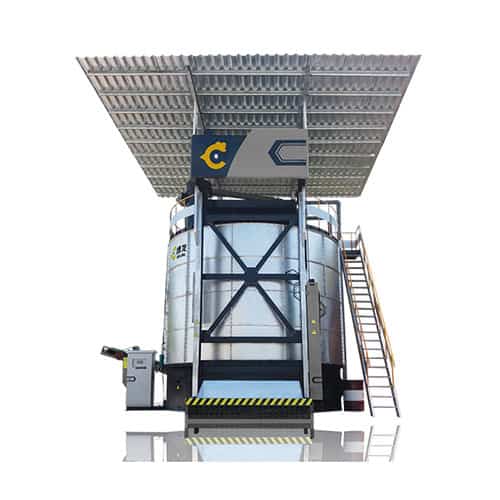
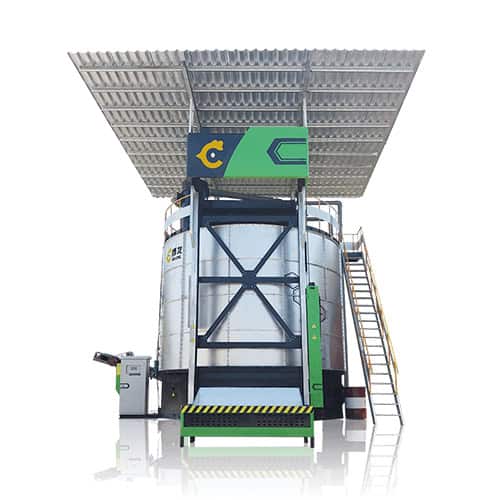
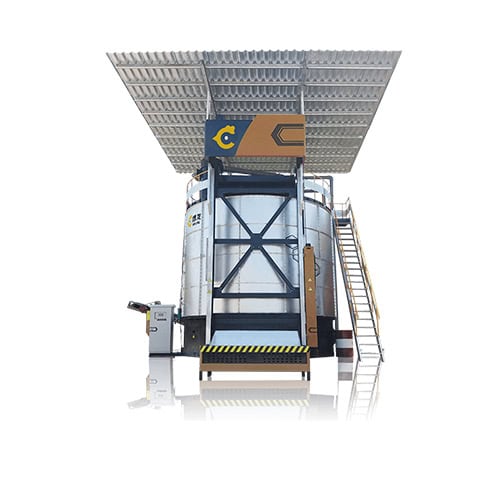
It is now essential to use manure to fertilizer fermentation tanks.

Salmonella and E. coli are among the pathogenic microorganisms found in fresh chicken manure, and the survival rate of parasite eggs is between 30% and 40%.
Air quality is negatively impacted by the significant release of toxic gases like hydrogen sulfide and ammonia during natural decomposition. Leachate may simultaneously contaminate groundwater systems.
Unprocessed chicken manure releases nutrients inconsistently, and crop absorption rates are usually less than 50%. This leads to substantial resource waste.

With their sealed designs and sophisticated control systems, modern manure to fertilizer fermentation tanks transform conventional processing. These units quickly break down organic matter at 60–70°C using high-temperature aerobic fermentation technology, eliminating over 99% of pathogens. To guarantee ideal fermentation conditions, intelligent control systems precisely regulate temperature, humidity, and ventilation.
Professional manure to fertilizer fermentation tanks reduce processing cycles to 7–10 days, reduce land requirements by 80%, and increase nutrient retention by more than 40% when compared to open-air composting. Clean production is made possible by the enclosed design’s efficient odor control.
Large-scale livestock farms now require specialized manure to fertilizer fermentation tanks due to stricter environmental regulations. In addition to meeting environmental compliance requirements, these manure-to-fertilizer fermentation tanks convert waste into valuable products, offering both financial and environmental advantages.
The efficient fermentation process turns large amounts of animal waste into high-quality organic fertilizer at a reasonable cost. This creates a new revenue stream for farming enterprises due to the high market value of the produced organic fertilizer.
In terms of environmental benefits, the systematic, enclosed processing method effectively addresses significant pollution issues associated with traditional composting. It completely eliminates the risk of groundwater contamination, significantly reduces greenhouse gas and harmful emissions, and aids in the fight against climate change.
In addition to significant pollution and pathogen risks, traditional chicken manure management has become a source of resource waste and environmental burden.
Professional manure to fertilizer fermentation tanks are essential pieces of equipment for achieving a fundamental shift from burden to resource. They quickly ferment chicken manure into high-quality organic fertilizer using effective, closed, and intelligent systems.
In addition to ensuring environmental compliance, farms can turn millions of tons of waste annually into a stable, high-value profit center by using manure to fertilizer fermentation tanks. For comprehensive product details and technical solutions, get in touch with us.